Technical Deep Dive: Architecting 'Proof of Life' Protocols to Counter C-Suite Deepfakes
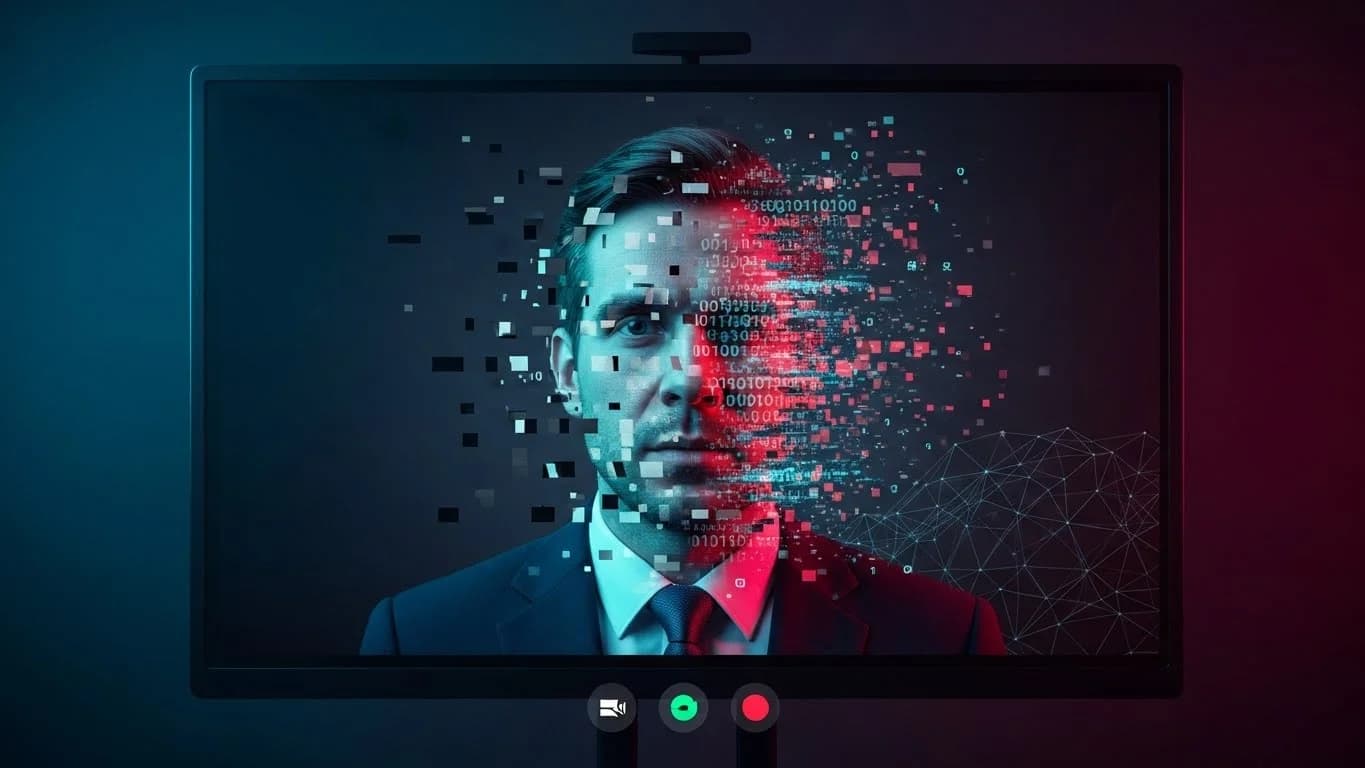
Table of Contents
- Introduction: The End of 'Seeing Is Believing'
- The Attack Vector: Signal Injection and Generative Streams
- The Compliance Deadlock: Security vs. Privacy
- Forensic Defense: rPPG and C2PA
- The Sentinel Protocol: A Hybrid Workflow
- The Implementation Roadmap
- Conclusion
Introduction: The End of 'Seeing Is Believing'
The era of "seeing is believing" is effectively over for corporate governance.
In early 2024, the Hong Kong branch of Arup, a multinational engineering firm, lost $25.6 million not to a sophisticated cryptographic hack, but to a "Sybil attack" of the senses. An employee joined a video conference where the CFO and several colleagues were present—or so it appeared. In reality, every other participant was a real-time deepfake generated by attackers.
Conversely, Ferrari thwarting a similar attack on its CEO, Benedetto Vigna, using a simple, non-technical "shared secret" protocol demonstrates that while the attack vector is high-tech, the mitigation often requires a hybrid of forensic standards and human "out-of-band" (OOB) verification.
This post breaks down the technical architecture of these attacks, the legal compliance minefield (NIST/BIPA) for deploying defenses, and the forensic standards required to build a "Proof of Life" protocol.
The Attack Vector: Signal Injection and Generative Streams
To defend against executive impersonation, we must understand the kill chain. The Arup attack wasn't a simple "playback" of recorded video. It was likely a virtual camera injection attack.
Attackers utilize real-time synthesis pipelines—often leveraging models like RVC (Retrieval-based Voice Conversion) for audio and GANs or diffusion-based face swappers for video. The output is piped into conferencing software (Zoom, Teams) via a virtual driver (e.g., OBS Virtual Cam), bypassing the physical webcam hardware entirely.
┌─────────────────────────────────────────────────────────────┐
│  ATTACKER WORKSTATION                                        │
├─────────────────────────────────────────────────────────────┤
│  ┌─────────────────┐    ┌─────────────────┐                  │
│  │  Source Video   │───▶│  Face Swap Model│                  │
│  │  (Target Exec)  │    │  (GAN/Diffusion)│                  │
│  └─────────────────┘    └────────┬────────┘                  │
│                                  │                           │
│  ┌─────────────────┐    ┌────────▼────────┐                  │
│  │  Voice Sample   │───▶│  RVC Voice Clone│                  │
│  │  (YouTube, etc) │    │                 │                  │
│  └─────────────────┘    └────────┬────────┘                  │
│                                  │                           │
│                         ┌────────▼────────┐                  │
│                         │  OBS Virtual Cam│                  │
│                         │  (Signal Inject)│                  │
│                         └────────┬────────┘                  │
│                                  │                           │
│                         ┌────────▼────────┐                  │
│                         │  Zoom/Teams     │                  │
│                         │  Video Call     │                  │
│                         └─────────────────┘                  │
└─────────────────────────────────────────────────────────────┘
The Executive Digital Twin Problem
The "Executive Digital Twin" problem is the fuel for this fire. Executives with hours of high-definition interviews on YouTube provide perfect training data for these models. The WPP attack, which targeted CEO Mark Read, utilized public footage to train a voice clone.
Key Risk Factors:
| Factor | Risk Level | Mitigation Complexity |
|---|---|---|
| Public video interviews (>1 hour) | Critical | High |
| Consistent lighting/angles in media | High | Medium |
| Voice samples (podcasts, earnings calls) | Critical | High |
| Social media presence | Medium | Low |
Organizations with high-profile executives should conduct a "digital footprint audit" to assess the training data available to adversaries.
The Compliance Deadlock: Security vs. Privacy
Implementing "liveness detection" to stop these attacks introduces a critical friction point: Biometric Privacy.
To verify a video feed is human, you must analyze biometric markers (facial geometry, iris patterns). However, laws like the Illinois Biometric Information Privacy Act (BIPA) and the GDPR create strict liability frameworks.
BIPA's Private Right of Action
Collecting biometric data from employees (even for security) without strict written consent and retention policies can lead to damages of $1,000–$5,000 per violation.
Key BIPA requirements for any "Proof of Life" system:
- Written informed consent before any biometric collection
- Published retention schedule and destruction guidelines
- Prohibition on sale or profit from biometric data
- Reasonable security measures for storage
Failure to comply creates class action exposure that can dwarf the deepfake fraud losses themselves.
The NIST Pivot (SP 800-63-4)
The new NIST Digital Identity Guidelines (Revision 4) fundamentally shift the standard of care. They now explicitly require Presentation Attack Detection (PAD) and injection attack defenses for high-assurance levels (IAL2).
┌─────────────────────────────────────────────────────────────┐
│  NIST SP 800-63-4 Requirements for IAL2                      │
├─────────────────────────────────────────────────────────────┤
│  ✓ Presentation Attack Detection (PAD)                       │
│  ✓ Injection Attack Detection                                │
│  ✓ Liveness Detection                                        │
│  ✓ Biometric matching with defined error thresholds          │
│  ✓ Audit logging of verification events                      │
└─────────────────────────────────────────────────────────────┘
For technical leaders, this means any "Proof of Life" solution must be architected for privacy-by-design—processing liveness vectors locally or using anonymized templates—to satisfy NIST without triggering BIPA/GDPR liability.
Forensic Defense: rPPG and C2PA
Two primary technical standards are emerging to counter deepfakes: Passive Liveness (detecting biology) and Content Provenance (verifying origin).
Remote Photoplethysmography (rPPG)
Deepfakes are visually convincing but often "hemodynamically" dead. rPPG technology analyzes the RGB video signal to detect the subtle color changes in human skin caused by blood volume pulses (heartbeats).
How It Works:
- Algorithms isolate the face's Region of Interest (ROI)
- Extract the green channel signal (which has high hemoglobin absorption)
- Apply signal processing to detect pulse frequency
- Compare against expected human physiological ranges
The Tell: Synthetic avatars typically lack this micro-pulse signal or display a perfectly looping, artificial pattern.
┌─────────────────────────────────────────────────────────────┐
│  rPPG Detection Pipeline                                     │
├─────────────────────────────────────────────────────────────┤
│                                                              │
│  Video Frame ──▶ Face Detection ──▶ ROI Extraction           │
│                                           │                  │
│                                           ▼                  │
│                                    RGB Channel Split          │
│                                           │                  │
│                                           ▼                  │
│                                    Green Channel Analysis     │
│                                           │                  │
│                                           ▼                  │
│                                    Pulse Signal Detection     │
│                                           │                  │
│                         ┌─────────────────┴─────────────────┐│
│                         │                                   ││
│                         ▼                                   ▼│
│                   [HUMAN: 60-100 BPM]          [SYNTHETIC: No Signal]│
│                   [Variable pattern]           [or looping artifact]│
│                                                              │
└─────────────────────────────────────────────────────────────┘
C2PA and Glass-to-Glass Provenance
The Coalition for Content Provenance and Authenticity (C2PA) standard uses cryptographic hashing to bind metadata to media. For video conferencing, the goal is Hardware Signing:
- The camera hardware (or a secure enclave) signs the video stream at the source
- The receiving client verifies this signature
- If the stream is intercepted by a virtual camera driver (injection attack), the signature chain is broken, flagging the feed as untrusted
Provenance Chain Verification:
| Component | Signing Authority | Verification Point |
|---|---|---|
| Camera sensor | Hardware enclave | Capture device |
| Video encoder | Trusted firmware | Processing pipeline |
| Network transport | TLS + C2PA manifest | Recipient client |
| Display render | Client application | User interface |
The Sentinel Protocol: A Hybrid Workflow
Technology fails. Liveness detection has false negatives; keys can be stolen. Therefore, the "Ferrari Maneuver"—using a shared secret—must be codified into a standard operating procedure.
We propose the Sentinel Protocol for high-value transactions:
Passive Layer: Automated rPPG and Injection Detection run in the background.
Procedural Layer (OOB): Any request for funds >$10k initiated on video must be verified via an Out-of-Band channel (e.g., a Signal call to a known personal number).
The Challenge: Use dynamic "shared secrets" (e.g., "What book did I recommend yesterday?") rather than static security questions.
┌─────────────────────────────────────────────────────────────┐
│  SENTINEL PROTOCOL: Transaction Verification Flow           │
├─────────────────────────────────────────────────────────────┤
│                                                              │
│  ┌─────────────────────────────────────────────────────────┐│
│  │  STEP 1: Video Request Received                         ││
│  │  "Please transfer $50,000 to vendor account"            ││
│  └────────────────────────┬────────────────────────────────┘│
│                           │                                  │
│                           ▼                                  │
│  ┌─────────────────────────────────────────────────────────┐│
│  │  STEP 2: Passive Verification (Background)              ││
│  │  □ rPPG liveness check                                  ││
│  │  □ Injection detection (C2PA if available)             ││
│  │  □ Behavioral analysis                                  ││
│  └────────────────────────┬────────────────────────────────┘│
│                           │                                  │
│                           ▼                                  │
│  ┌─────────────────────────────────────────────────────────┐│
│  │  STEP 3: Threshold Check                                ││
│  │  Transaction > $10,000? ──▶ YES ──▶ Proceed to OOB      ││
│  └────────────────────────┬────────────────────────────────┘│
│                           │                                  │
│                           ▼                                  │
│  ┌─────────────────────────────────────────────────────────┐│
│  │  STEP 4: Out-of-Band Verification                       ││
│  │  • Call known personal number (not number from call)    ││
│  │  • Ask dynamic shared secret question                   ││
│  │  • Confirm transaction details verbally                 ││
│  └────────────────────────┬────────────────────────────────┘│
│                           │                                  │
│                           ▼                                  │
│  ┌─────────────────────────────────────────────────────────┐│
│  │  STEP 5: Execute or Reject                              ││
│  │  Both verifications pass? ──▶ Proceed with transaction  ││
│  │  Any verification fails? ──▶ Escalate to security team  ││
│  └─────────────────────────────────────────────────────────┘│
│                                                              │
└─────────────────────────────────────────────────────────────┘
Dynamic Shared Secret Examples:
- "What was the last restaurant we discussed for the team dinner?"
- "What color tie was I wearing at Monday's board meeting?"
- "What was the punchline of the joke I told in our last 1:1?"
These questions leverage contextual information that an attacker—even with perfect audio/video synthesis—cannot know.
The Implementation Roadmap
Securing the C-Suite against deepfakes is a phased rollout. We are currently in the "Procedural" phase, moving toward a "Cryptographic" future.
| Phase | Timeline | Actions | Cost | Effectiveness |
|---|---|---|---|---|
| Procedural | Now (2025) | Implement OOB verification mandate | $0 | 99% of current attacks |
| Passive Detection | Late 2025 | Deploy rPPG liveness detection (NIST 800-63-4 compliant) | $$ | Adds automated layer |
| Cryptographic | 2026+ | Enforce C2PA signing for all executive devices | $$$ | Hardware-backed trust |
Phase 1: Immediate Actions (Cost: $0)
- Draft and distribute executive communication verification policy
- Establish pre-registered OOB contact numbers for all executives
- Train finance and executive assistants on dynamic shared secret protocols
- Create incident response playbook for suspected deepfake encounters
Phase 2: Technical Controls (Cost: $$)
- Evaluate and pilot rPPG-based liveness detection vendors
- Ensure BIPA/GDPR compliance with legal review of biometric processing
- Integrate passive detection into video conferencing workflows
- Establish baseline metrics for false positive/negative rates
Phase 3: Hardware Trust (Cost: $$$)
- Procure C2PA-capable devices for executive communications
- Implement certificate management infrastructure
- Develop client-side verification UI for call participants
- Integrate with enterprise identity management systems
Conclusion
The Deepfake Siege is here, but it is defensible. By layering forensic code with human skepticism, we can verify the "life" behind the pixel.
The $25.6 million Arup loss was not inevitable—it was the result of implicit trust in video presence. Ferrari's successful defense proves that low-tech procedural controls remain effective even against high-tech threats.
Key Takeaways:
-
Deepfake attacks exploit the gap between visual trust and identity verification. Video presence alone is no longer sufficient proof of identity.
-
Compliance creates friction, but also opportunity. NIST 800-63-4's new requirements provide a framework for implementing liveness detection while BIPA/GDPR force privacy-by-design architectures.
-
The best defense is hybrid. Technical controls (rPPG, C2PA) must be paired with procedural controls (OOB verification, dynamic secrets).
-
Start with the free layer. The Sentinel Protocol's OOB verification costs nothing to implement and stops the vast majority of current attacks.
The organizations that thrive in this new threat landscape will be those that treat executive identity verification with the same rigor they apply to network security. The attack surface has shifted from the firewall to the video call—and our defenses must shift with it.